ServicesBattery Storage
Battery Storage in Kearns
A home battery saves the extra energy your panels produce during the day, so your home can draw on it in the evening or when the grid fails. We size it to how you really use power, and the same small crew handles your project from first visit to final inspection.
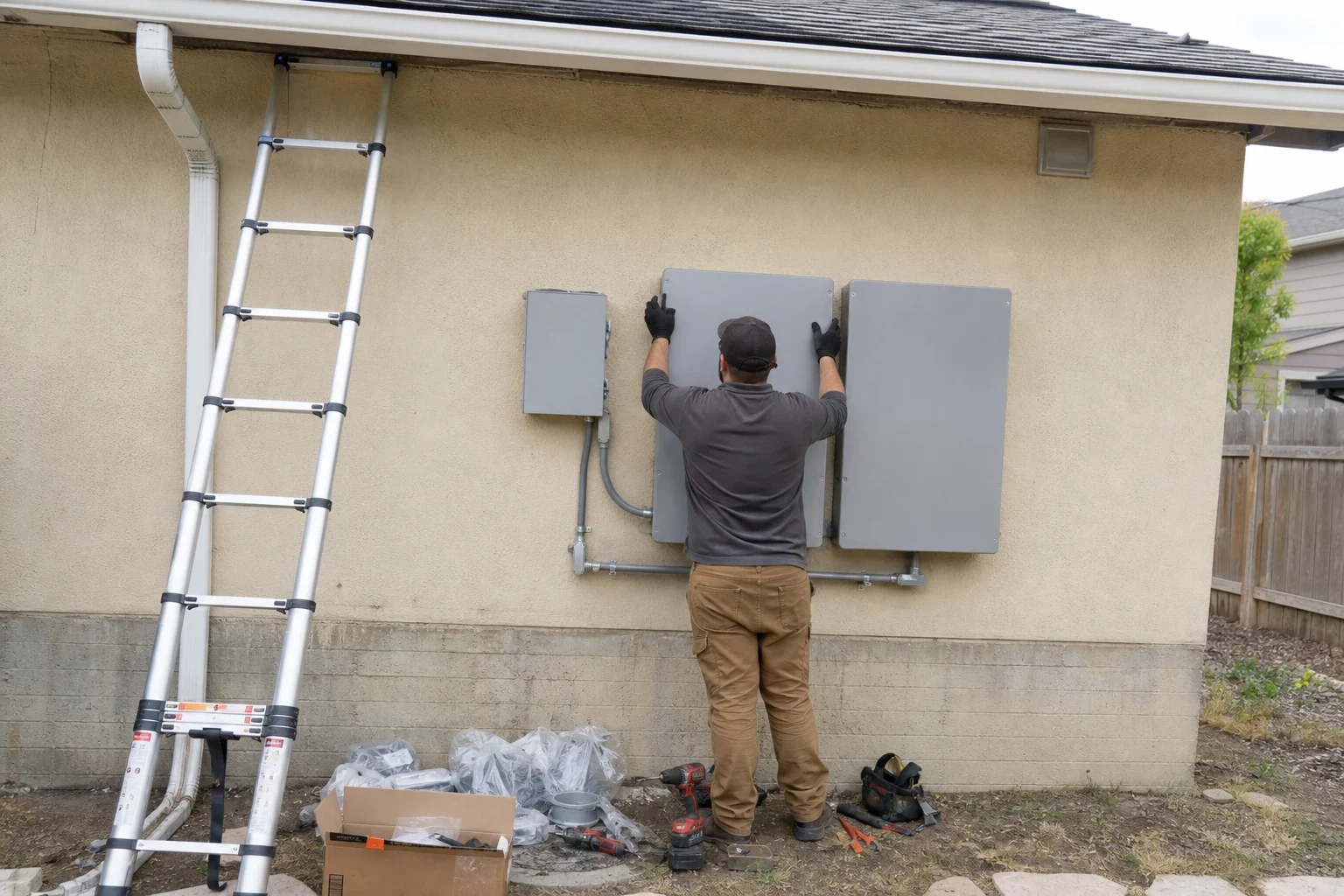
What a Home Battery Does for You
Solar panels make the most power in the middle of the day, when most families are at work or school. Without storage, much of that extra power goes back to the grid, and the credit you get for it is often worth less than the power you buy back in the evening. A battery keeps that energy at your home so you use it yourself.
It also gives you backup. When the grid goes down, a properly wired battery can keep the refrigerator, furnace fan, lights and internet running while the street around you is dark.
Battery storage is the right call if you already have solar or are planning it, and you care about evening savings, outage protection, or both. If you are starting from scratch, we can plan it together with solar panel installation so everything is designed as one system.
What Our Battery Installations Include
- A load review before anything is sold
- We look at your past utility bills and talk through which circuits matter most to you. That tells us whether one battery covers your needs or whether a second unit actually earns its keep. We would rather size it right than sell you more than you need.
- Backup circuit planning
- Most homes do best with a backed-up loads panel that holds the essentials. Some want whole-home backup. We explain the tradeoffs in plain terms and show you what each option keeps running.
- Placement that suits the battery
- Batteries have temperature limits and clearance rules. We pick a spot on a garage or exterior wall that stays within those limits through hot summers and cold winter nights, with room for safe access.
- Electrical panel check
- Your main panel has to handle the new equipment. We check its capacity and condition up front, so any needed upgrade is in your written estimate instead of a surprise on install day.
- Approvals handled for you
- Our crew files for the permit, is on site when the inspector comes, and takes care of the interconnection forms your utility requires. You end up with a battery that is signed off and ready to run.
- Setup and a walkthrough
- Before we leave, we connect the monitoring app, set the operating mode you want, and show you how to check your charge level and backup status.
Signs a Battery Makes Sense for Your Home
Your evening bills stay high
If you have solar but your bill still climbs from usage after dark, stored daytime power can cover a good share of those evening hours.
Small export credits
Your panels send lots of power to the grid at midday, but the credits barely dent your bill. Keeping that energy at home usually puts it to better use.
Outages worry you
Summer heat and winter storms can knock out power. If someone at home relies on medical equipment, works remotely, or you just hate losing a freezer full of food, backup matters.
You run a sump pump or well pump
Equipment that has to keep running during an outage is a strong reason to add storage with a backed-up circuit.
You are planning solar now
Adding a battery at the start often means one permit, one inspection and one set of electrical work instead of two.
How a Battery Project Goes
- 1
A conversation by phone
You tell us about your home, your bills and what you want backed up. We can talk it through on a free virtual appointment if that is easier for you.
- 2
Site visit and written estimate
The same people who will do the work come out to look at your panel, wall space and existing solar equipment. You get a line-item estimate that spells out the battery, the backup setup and any panel work.
- 3
Permit and utility approval
We file the paperwork and keep you posted. Nothing gets installed until the approvals are lined up.
- 4
Install day
Most battery installs take a day. We mount the battery, wire the backup circuits and keep your power-off time as short as we can, then clean up the work area before we pack up.
- 5
Inspection and handoff
We meet the inspector, turn the system on once it passes, and walk you through the app. You keep the same contacts afterward, so questions go to people who know your setup.
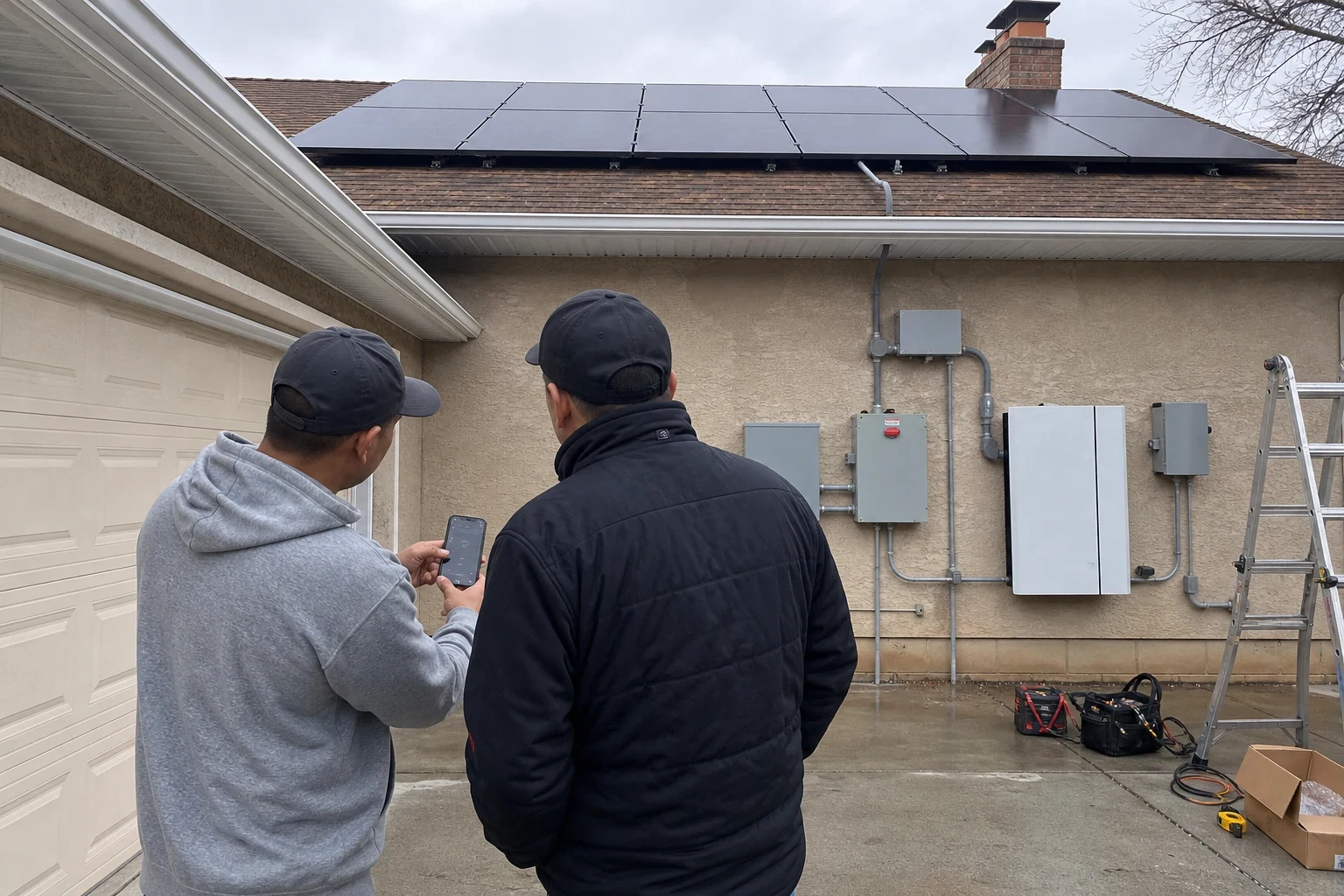
What Moves the Cost of Battery Storage
Battery prices depend mostly on how much storage you need and how much of your home you want backed up. We put every piece in writing before any work starts. We also offer $0 up front, so you can start saving without a large check on day one.
- Storage capacity
- More kilowatt-hours mean more hours of backup and more evening coverage. Your usage history tells us where the useful limit is.
- Backup scope
- Backing up a few essential circuits costs less than whole-home backup, which may need larger equipment to start big loads like central air.
- Your electrical panel
- An older or full panel may need an upgrade or a separate backed-up loads panel. We check this on the site visit.
- Existing solar equipment
- Some inverters work directly with a battery and some need extra equipment to connect. Newer systems are usually simpler to pair.
- Location and wiring distance
- A longer run between the battery, your panel and your inverter adds labor and materials.
Battery Storage Questions
Something not covered here? (801) 457-8629
Can a battery be added to my existing solar system?
Usually it can. We look at your inverter and electrical panel to see how the battery will tie in. Some setups pair directly, while others need one extra component, and we tell you which one fits your home before you make any decision.
How long will a battery power my home during an outage?
That comes down to two things: how much storage you install and which circuits you put on it. A refrigerator, a few lights and your internet router draw very little, while central air or an electric range can drain a battery quickly. Once you pick the circuits you want covered, we estimate the hours of backup you can expect, and on sunny days your panels refill the battery.
Where does the battery go?
Usually on a garage wall or an outside wall near your electrical panel. We choose a spot that meets clearance rules and stays within the battery's temperature range, and we go over the location with you before install day.
Will a battery actually save me money?
It can, especially when the power you export earns less than the power you buy at night. We run the numbers with your real bills during a free solar savings analysis and tell you plainly if storage pays off for your home or not.
Is it noisy or something I have to maintain?
Home batteries run quietly, with at most a soft fan hum now and then. There is no routine maintenance for you to do. The app shows your charge level and lets you change settings.
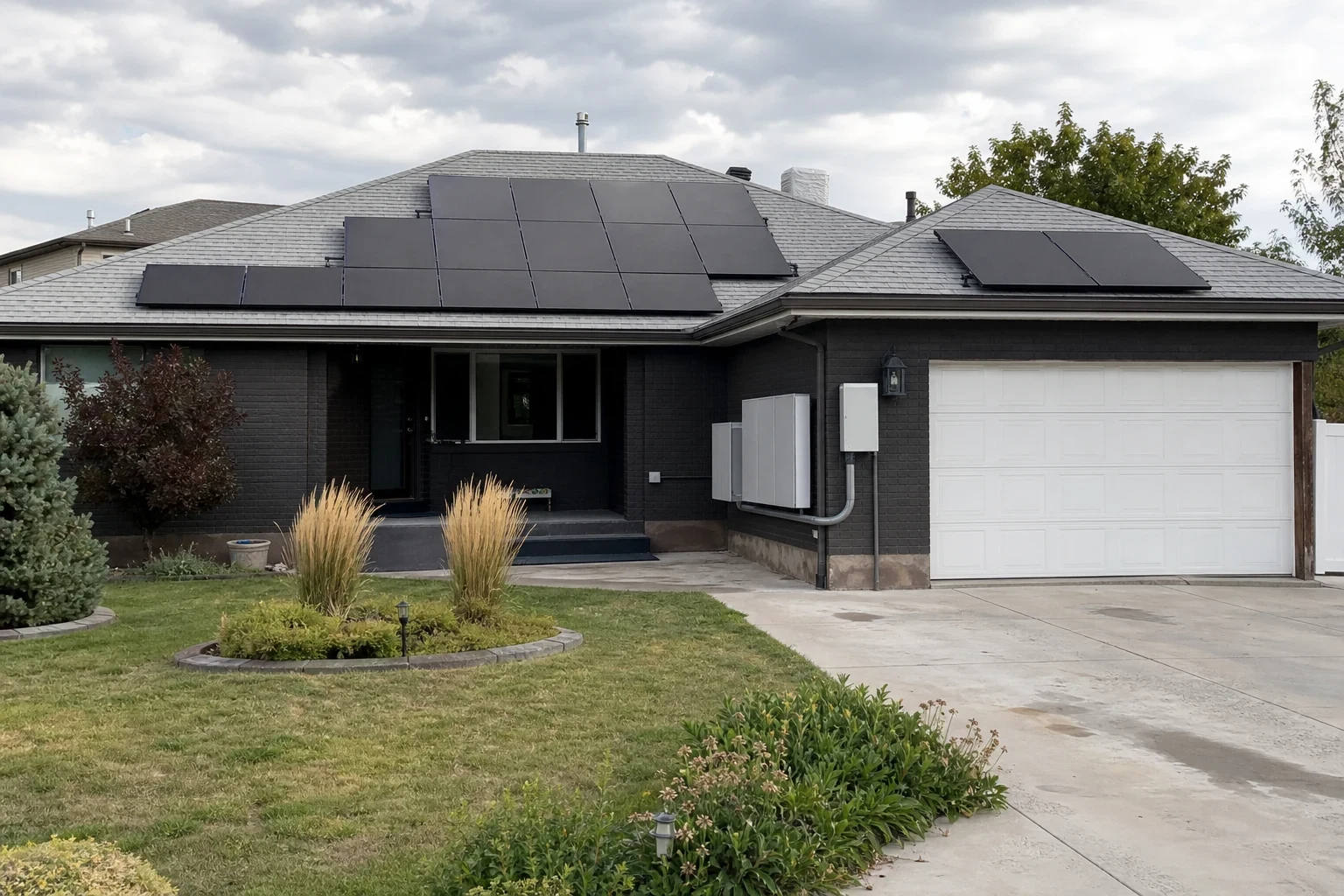
Find Out What Storage Could Do for Your Home
Tell us about your bills and what you want kept running. One small crew will plan it with you and see it through to the final inspection.